
What are journalists missing from the state of Delaware? What would you most like WHYY News to cover? Let us know.
Delaware’s most vulnerable children are living in state offices or out of state due to a lack of available places in group homes or foster care.
An audit report issued by Delaware Auditor of Accounts Lydia York shows the state is spending millions of dollars a year caring for foster youth in government buildings or in out-of-state facilities because of housing limitations. These are minors who have been removed from their homes due to abuse, neglect or other factors.
York said her office was disturbed to learn that kids sleeping in state office buildings was a common circumstance.
“On occasion it’s not just one night or even two nights,” she said. “What we did observe was not just multiday, but an occasional multiweek stay in an office building.”
York said one of her main concerns with youth being housed in state buildings was that while they had cots to sleep on, the facilities lack security measures and shower facilities.
The audit found that Delaware spent a total of about $8.3 million on out-of-state placements between fiscal years 2023 and 2025. Another $4.5 million was spent on staff to supervise kids sleeping in state buildings overnight, the report states.
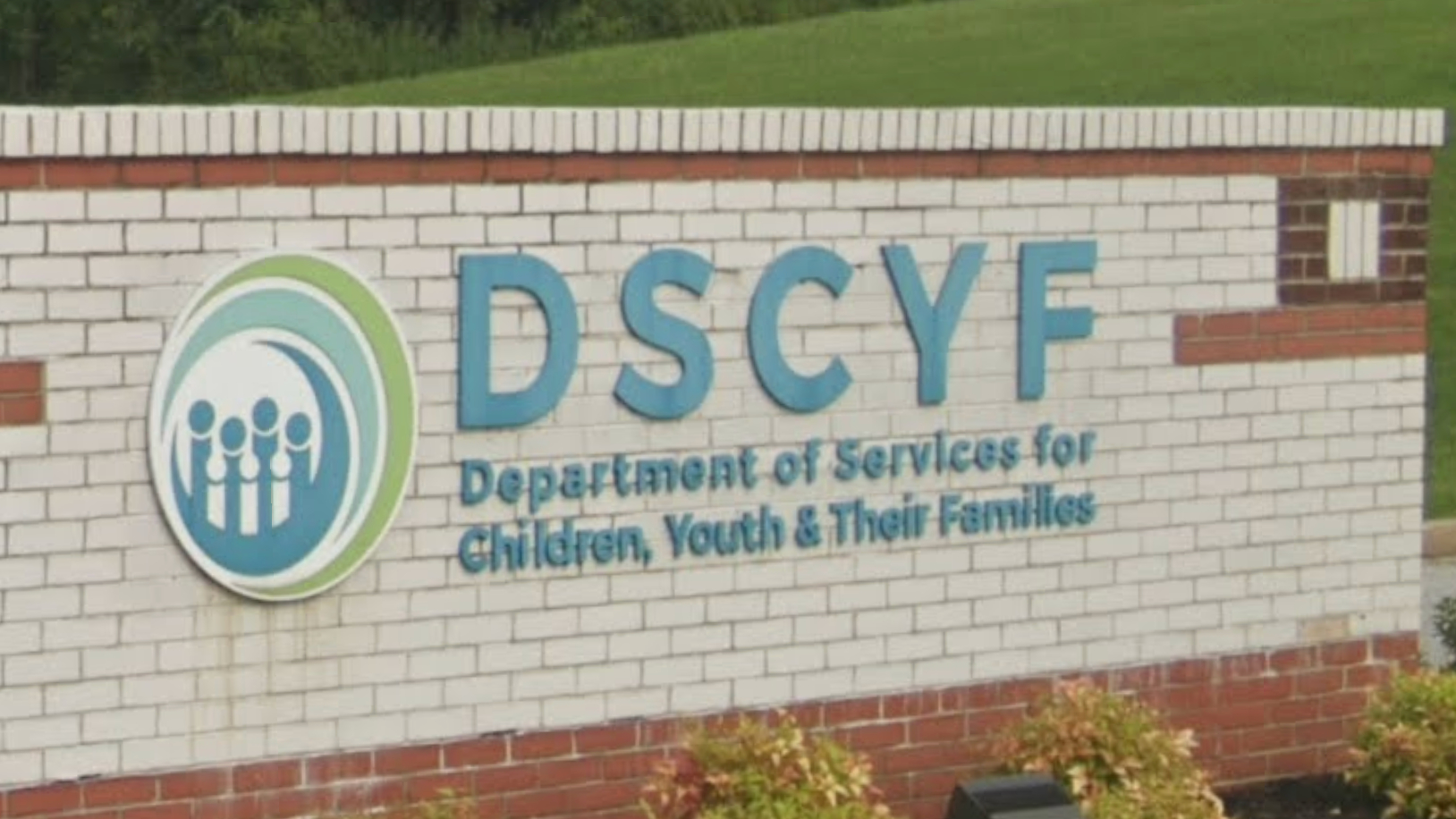
Sarah Azevedo, the director of the Department of Services for Children, Youth and their Families, disputed that children spend more than a night or two in a state office and said that it applied to only a small percentage of those in the foster care system.
She said that while the problem has currently hit a tipping point, the shortage of available places for kids to stay has been a chronic issue.
“A lot of it started several years ago when we saw a dip in the number of available foster homes or people willing to become foster parents,” Azevedo said. “I think a lot of it started with COVID and so the system has never quite right-sized again.”
According to the report, the auditor’s office started looking into the issue of placements in 2024 after receiving information of children being mistreated. The review found that some staff have reported being assaulted by minors in their care.
Azevedo said while the number of foster families has decreased, finding placements for children in state custody is not primarily a foster care issue. Young people who come into the system can have behavioral health needs, are involved in the justice system or have strained family relationships. Each child’s unique situation can make them hard to place in an appropriate group home or foster family.
“Almost always, the kids who end up having no other place to stay tend to be the adolescents with some behavioral health issues, difficult behaviors,” she said. “Their families just feel like they have no other option but to hand them over to us. We really work very hard to avoid that necessity, though, because kids are not going to do better in foster care than they would in their own family under most circumstances.”


